AGP Executive Report
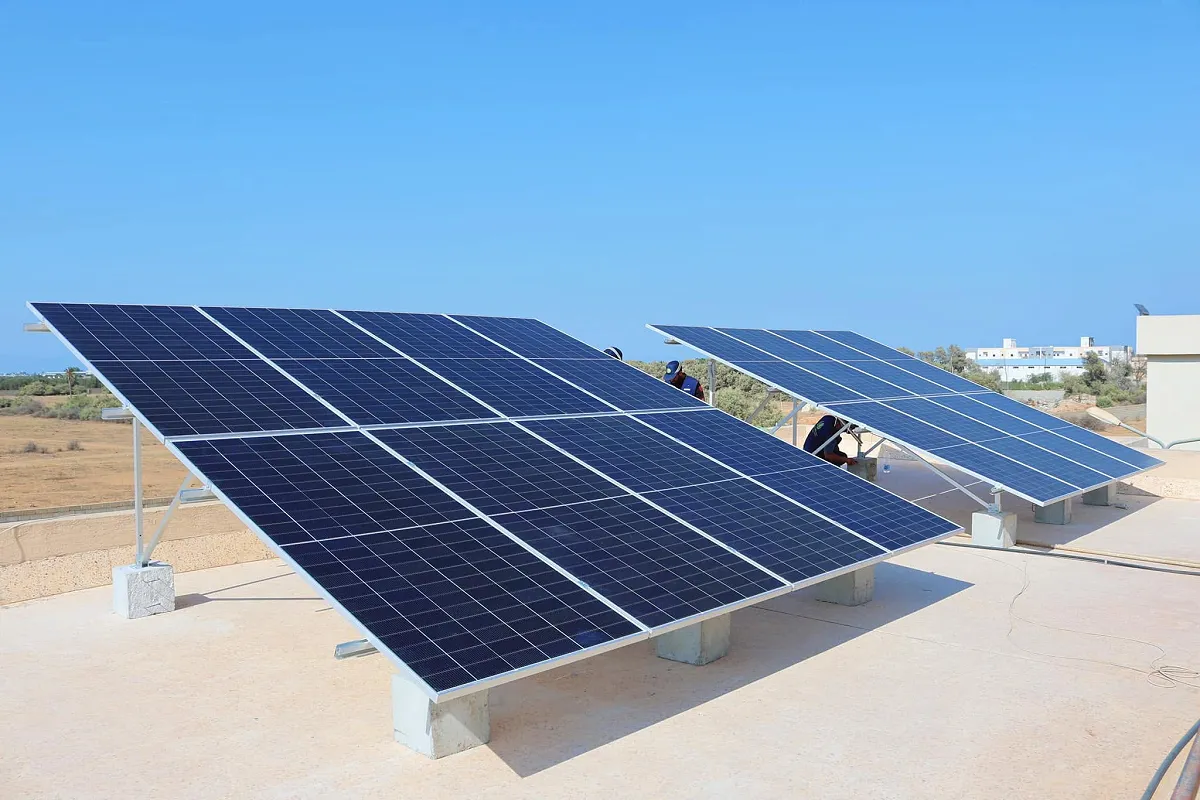
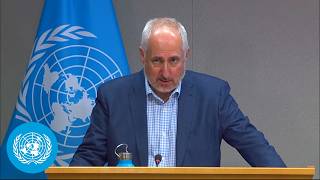
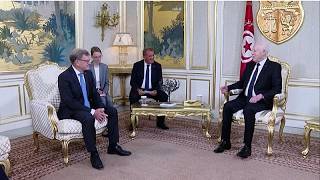
Last update: 7 hours agoLibya’s Political Roadmap: UNSMIL says rival Libyan factions have agreed to hold parliamentary and presidential elections within two years, with plans to restructure the electoral commission and settle key legal disputes. Aviation & Infrastructure: Tripoli International Airport is now scheduled to open in Q4 2026, after the Transport Ministry confirmed the date during readiness talks with airlines and the LIIDF. Energy & Power Reliability: Sirte Oil and Gas restored the second gas turbine at its petrochemicals power plant after a gearbox replacement, aiming to stabilize electricity supply for operations. Renewables Push: Libya’s Labour Ministry ordered solar panel systems for its buildings, citing last summer’s blackouts and the need to cut consumption. Trade & Industry Links: Italy is stepping up economic ties with Libya under the Mattei Plan, with MoUs covering oil, gas, offshore fields, interconnection, a submarine cable, water and migration management. Regional Business: Egypt and Oman are exploring joint industrial zones to deepen investment and supply chains. Security & Courts: Zawia Criminal Court convicted 10 over diesel and food smuggling, handing long prison terms. Sports Business: Al-Ittihad is reportedly pursuing Hakim Ziyech amid his Wydad dispute. Markets Watch: Libya’s dinar is listed among Africa’s strongest currencies against the US dollar.
Note: AI summary from news headlines; neutral sources weighted more to help reduce bias in the result. Feedback is welcome. Please let us know if you have any comments or suggestions about the AGP Executive Report.
 Perspectify News